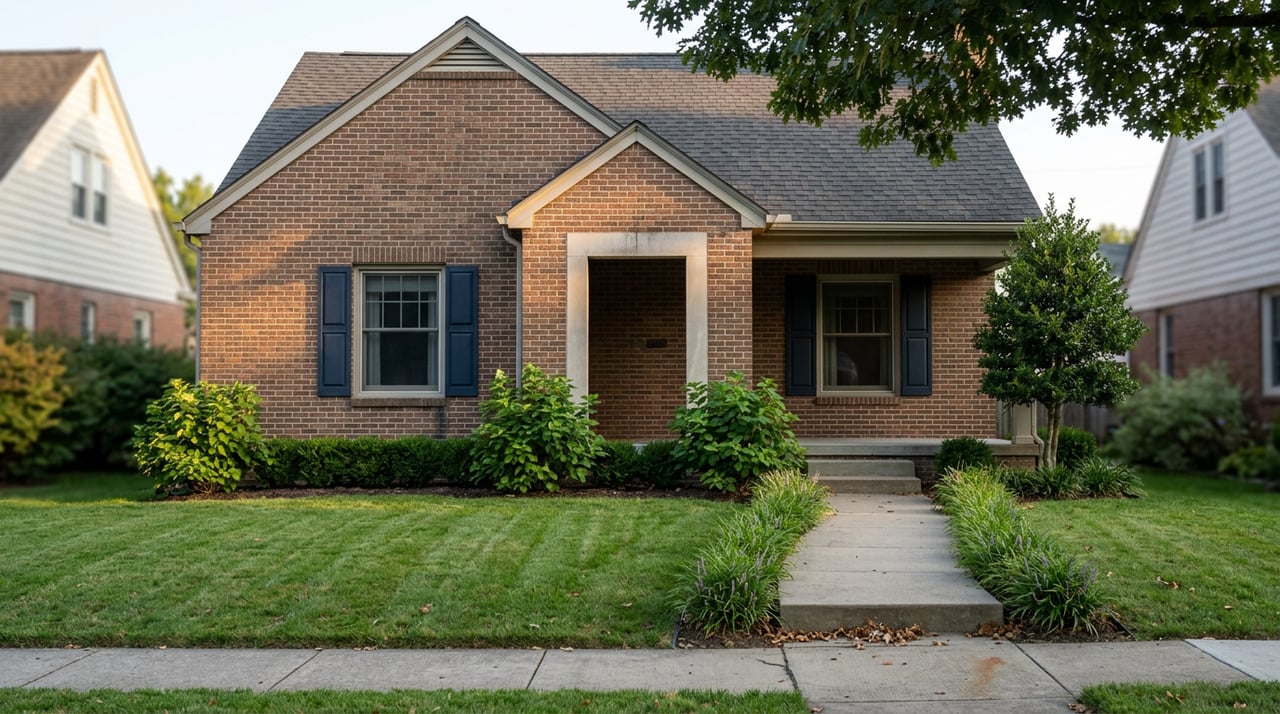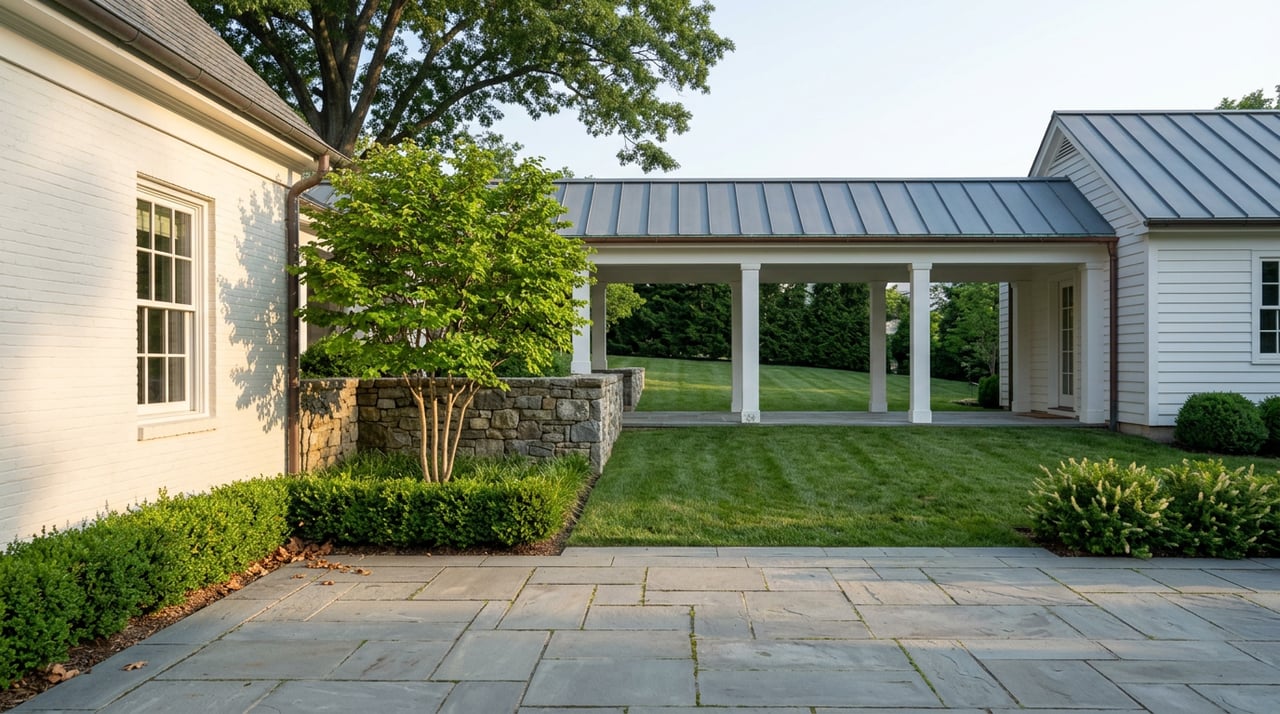
Say you're getting ready to list a home in one of Brentwood's HOA-governed subdivisions, and your to-do list includes a backyard refresh before the photographer shows up. A new deck, maybe a fence repair, perhaps the pool you've been meaning to add for years. You call a contractor, get a quote, and pencil in three weeks for materials and labor.
That's the timeline you can see. It's not the one that actually controls your listing date.
Before a single board gets nailed down, most exterior projects in Brentwood's planned communities have to clear an Architectural Review Committee or Design Review Committee first, a body that answers to the neighborhood's recorded covenants, not to your closing date. That review runs on its own clock, and it's the part of pre-listing prep sellers most often forget to budget for.
The approval clock nobody puts on a calendar
Architectural review isn't a rubber stamp. It's a contractual requirement written into the covenants that came with the property, and the committee that enforces it has real authority to approve, deny, or send a project back for revisions.
At Estates of Brentwood, the governing documents give the Architectural Control Committee up to 30 days to render a decision on a complete submission, though the committee's own FAQ notes that most decisions come back in under two weeks when the paperwork is in order. That's the fast case. Projects that need a variance, arrive during a busy season, or come in incomplete can stretch toward that full 30-day window, and if you're trying to list in a specific month, a month you didn't plan for changes everything.
The pattern holds across Brentwood generally. Minor cosmetic changes, like paint or small fence sections, tend to clear in one to three weeks when staff can approve them without a full committee vote. Moderate projects, decks, pools, and larger landscaping, typically run two to six weeks and are often tied to the committee's meeting schedule rather than your timeline. New construction or major additions can take four to twelve weeks or longer, especially if revisions are needed along the way.
None of that includes the actual construction. It's just the paperwork.
What one Brentwood community's rulebook actually asks for
To see why "just add a pool" isn't a same-week decision, it helps to look at what a real Design Review Committee evaluates. Rosebrooke, one of Brentwood's planned communities, requires DRC approval for landscape and hardscape plans, and that approval has to be submitted before the exterior facade materials are even finished, not after.
The community's own FAQ page spells out specifics that go well past taste. Fences are capped at five feet and must sit outside the utility and drainage easement on the lot. Foundations must be faced in stucco, stone, or brick, and building materials have to run continuously around every side of the house rather than stopping at a corner. Pools, tennis courts, and sport courts aren't pre-approved as a category. They're considered lot by lot, and if you want one after you've already closed on the house, you submit a formal request with detailed plans, the same process a builder would follow before groundbreaking.
That's the piece a lot of sellers miss. A committee reviewing a pool addition isn't confirming that pools are allowed. It's evaluating your specific lot, your specific plan, against a rulebook that treats setbacks, materials, and sightlines as design decisions the whole neighborhood has a stake in.
The other clock, the one that starts during your closing window
Here's where the timing problem compounds. If a previous phase of work on your property, maybe a fence installed by the owner before you, was never formally approved, that gap doesn't disappear with time. It sits in the HOA's file until someone goes looking for it, and someone usually does during closing.
Tennessee doesn't have a resale certificate requirement written into state law the way some other states do. What Tennessee does require, under Tenn. Code § 66-5-213(b), is that a seller in a planned unit development disclose the HOA membership in the contract itself and make the covenants, bylaws, and master deed available to the buyer upon request. Many HOAs then fill the rest of the gap contractually, requiring their own resale certificate or estoppel letter that states whether the property is in good standing.
That's the document where an old, unapproved change can resurface. If a title company or buyer's agent requests that certificate and the HOA's file shows an open architectural violation, even one from a modification made years before you owned the house, it can become a condition of closing. Fixing a fence or repainting a door is rarely expensive on its own. Discovering the requirement with days left before closing, after your buyer's inspection period has already closed, is what actually costs sellers time and leverage.
The fix is almost embarrassingly simple once you see the mechanism: ask your HOA for a current status letter before you list, not after you're under contract.
What this means if you're planning to sell in a Brentwood HOA community
Two clocks are running the moment you decide to sell, and only one of them is on your contractor's calendar.
The first is the review clock for anything new you want to do before listing. If you're adding a deck, a pool, or new landscaping to get the house market-ready, submit that request to your ARC or DRC before you book a stager or a photographer, not after. A moderate project's two to six week window can quietly eat into a target listing date if it starts the same week you meant to go live.
The second is the disclosure clock, and it's already ticking whether you touch anything or not. Request your HOA's current violation and dues status early, ideally before you sign a listing agreement. If something from a prior owner's era is sitting unresolved, you have time to address it on your terms rather than the buyer's.
Brentwood's municipal permitting process runs in parallel with all of this too. Larger projects, especially anything involving foundation work or additions, may need city sign-off in addition to HOA approval, and the city's code of ordinances is public if you want to see what triggers a permit before you call a contractor.
None of this is about avoiding your HOA's rules. It's about knowing which parts of your timeline you control and which parts belong to a committee that meets on its own schedule.
A few questions worth asking before you list
Does every HOA in Brentwood follow the same review timeline? No. Each community's covenants set its own rules, and the review body, whether it's called an ACC, ARC, or DRC, only has the authority its governing documents give it. Estates of Brentwood's 30-day maximum isn't universal. Pull your specific community's covenants before you assume a timeline.
What if I don't know whether a past modification was approved? Ask the HOA directly for a written status letter rather than guessing. It's a faster fix before you list than after a buyer's title company flags it during closing.
Do I need city approval in addition to HOA approval? Sometimes. HOA architectural review and city permitting are separate processes that can run at the same time, and a project can need both. Larger additions and anything touching a foundation are the most likely to require a city permit alongside your HOA's sign-off.
If you're planning a Brentwood sale and want a second set of eyes on the timeline before you commit to a listing date, Jackie Roth Karr has spent years walking Brentwood sellers through exactly this kind of scheduling. Let's Connect and map out your timeline before the clock starts running without you.