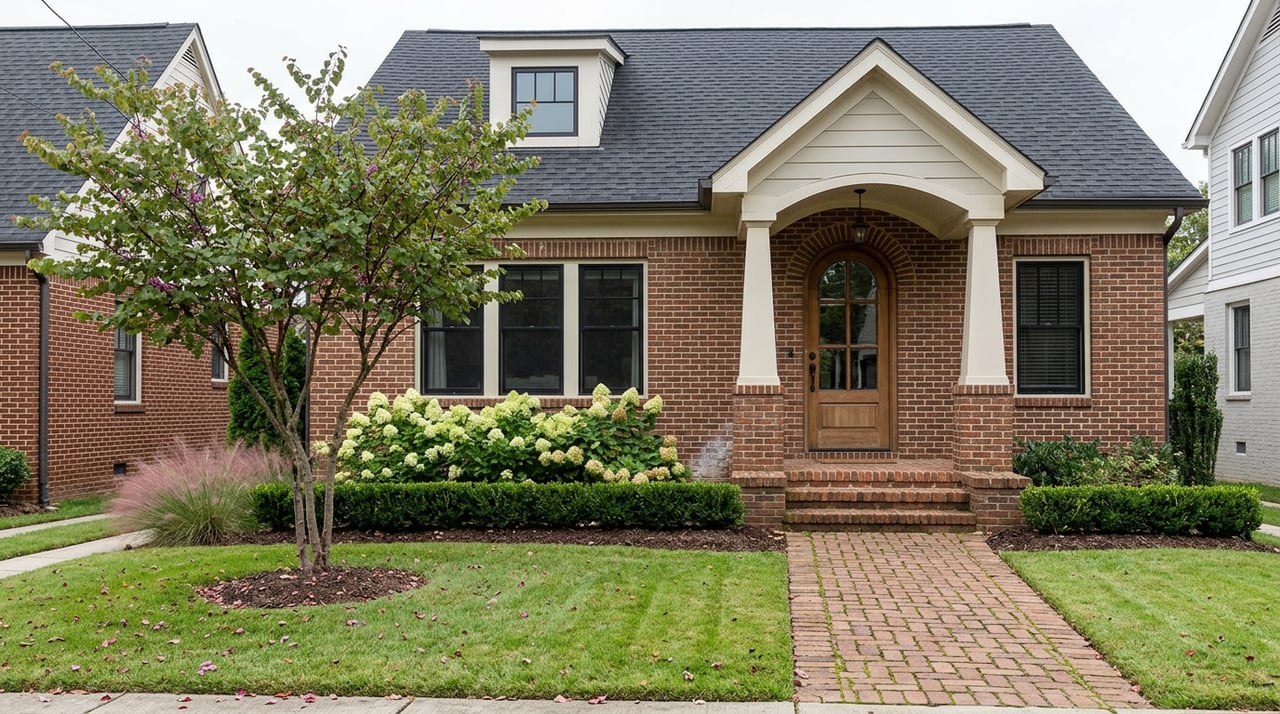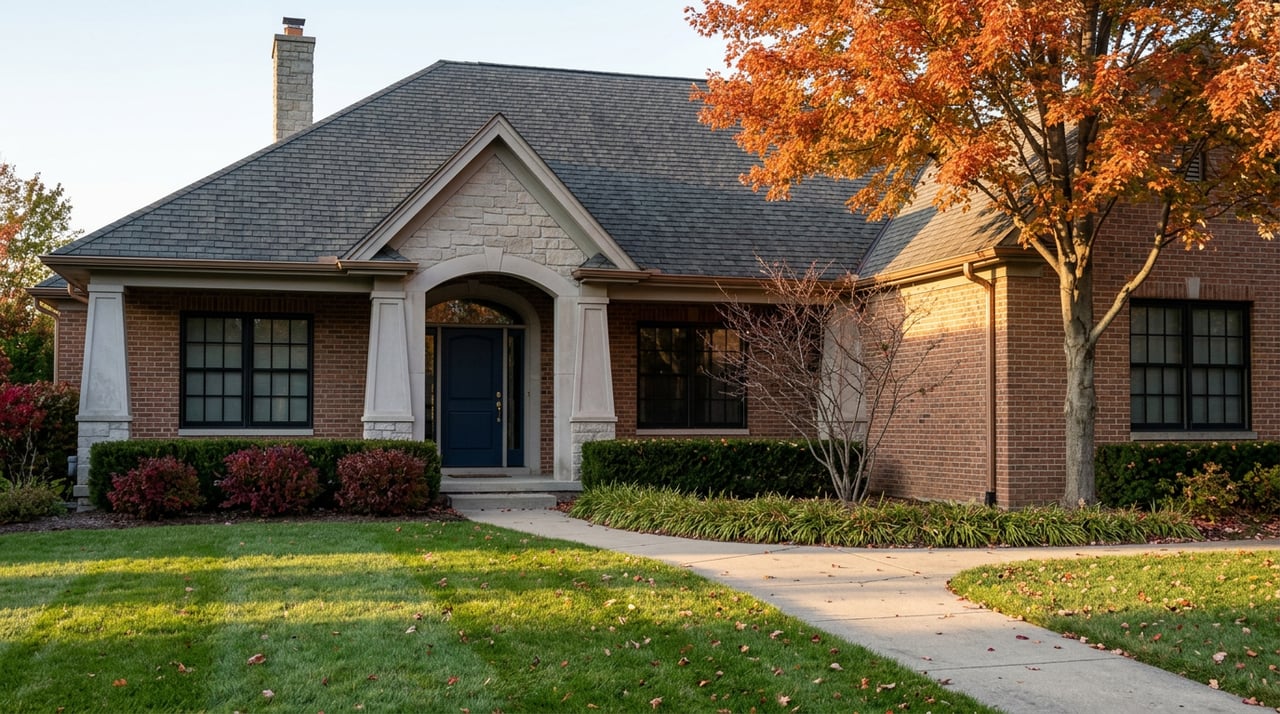
In March 2026, the Metro Historic Zoning Commission ordered a full rebuild on Calvin Avenue in East Nashville, on the site where the record store known as The Groove used to sit. The nearly 100 year old house behind that storefront had been torn down without the required approvals, and the commission's ruling left no room for a lighter fix. Property owner Ross Condit was told to reconstruct the structure to match the original, at his own expense, after commissioners voted to deny his after the fact demolition request.
What happened in the lead up to that demolition matters more than the demolition itself. Condit told the commission he hadn't known the house sat inside a historic overlay. His contractor had skipped the one step that would have caught the problem before a wall came down: filing for a standard demolition permit. That application, if it had been submitted, would have automatically flagged the historic protections attached to the property. Instead, the demolition happened entirely outside that process, and nobody in the chain, owner or contractor, saw a red flag until the house was already gone.
By May, Condit had filed a four page application to rebuild a structure resembling the original, with commission staff reviewing the proposal ahead of a vote at the following meeting. Metro Councilmember Clay Capp, whose district includes the property, told reporters he was glad to see the owner moving to meet the commission's order. Metro officials also noted they had flagged other properties tied to Condit's company for the same reason.
A Second Case, Same Blind Spot
The Calvin Avenue story involves demolition, but the same gap shows up on far smaller projects. In the Richland-West End conservation overlay, homeowners Ben and Amy Rosenblum built a garage that looked like others on their block, similar color, similar design. The problem wasn't the look of it. The garage's eaves came in 19 inches taller than what the commission had approved. At an October 2023 hearing, Metro told the Rosenblums their choices were to lower the structure, a fix a representative estimated at roughly $100,000, or remain in violation. The commission pointed to a nearby precedent on Central Avenue where a similarly oversized garage had been ordered rebuilt in full.
Neither case involved someone trying to get away with something. Both involved a permit that exists, that costs nothing to apply for, and that somehow never made it onto the plan.
Why the Rules Only Work If You Start in the Right Place
East Nashville sits across a patchwork of overlay districts, and the two types work differently. Edgefield carries a Historic Preservation Zoning Overlay, the stricter of the two categories and, according to the Preservation Society of Nashville, the only zoning tool in the city that can prevent demolition outright. Neighborhoods like Lockeland Springs-East End and Richland-West End fall under Neighborhood Conservation Zoning Overlays, a lighter touch version that still regulates exterior changes.
| Overlay Type | Example District | What It Regulates |
|---|---|---|
| Historic Preservation Zoning Overlay | Edgefield | Full design review for alterations, additions, and demolition, including the power to block a teardown |
| Neighborhood Conservation Zoning Overlay | Lockeland Springs-East End, Richland-West End | Visible exterior changes such as new construction, demolition, and major additions, typically exempting minor work like siding or fence replacement |
Applying for a preservation permit costs nothing. Projects that qualify for administrative review can be approved within a day or two of a complete application. None of that speed or affordability matters if the application never gets filed in the first place. An MHZC staffer named Zeigler, quoted in coverage of the Rosenblum case, said homeowners don't always pass the preservation permit requirement on to their contractors, and contractors don't always think to ask for it on their own. The commission has since started running contractor education sessions aimed directly at closing that gap.
The pattern in both cases is the same. The preservation permit isn't hidden by design. It just doesn't get triggered automatically unless someone follows the standard path, pulling a demolition permit, an addition permit, or a new construction permit through Metro the ordinary way. Skip that path, whether out of ignorance or because the work felt routine, and the overlay's protections sit dormant until a neighbor complains or a commissioner spots the problem during an unrelated review.
How to Find Out Before You're the Case Study
Metro's Parcel Viewer lets anyone check a property's overlay status for free, before an offer goes in or a listing goes live. Turning on the zoning layer and clicking through any category that starts with "historic" shows whether a specific address sits inside one of these districts and which type of overlay applies. For larger projects, homeowners can also request a pre-application review from MHZC staff, a step the commission specifically recommends for infill construction, additions larger than 1,500 square feet, or anything unusual, before the formal application deadline locks a design in place.
What This Means If You're Buying, Selling, or Planning Work
For a buyer eyeing an East Nashville bungalow with an addition already sketched out on paper, checking overlay status before closing tells you what that addition will actually require, not just from a lender or a home inspector, but from the commission that reviews anything visible from the street.
For a seller, confirming overlay status before marketing a property means a buyer's questions about room additions or garage plans get an accurate answer up front, rather than a surprise after they've built an offer around renovation assumptions that never accounted for an extra layer of review.
For an owner already planning work, the preservation permit deserves its own line item, separate from the standard building permit rather than folded into it. If a contractor's scope includes demolition, an addition, new construction, or anything visible from the street, ask directly whether a preservation permit application has been filed with MHZC. A general contractor's license does not automatically cover that step, and as both the Calvin Avenue and Richland-West End cases show, the gap between assuming it's covered and confirming it is covered can run from a few thousand dollars to a full rebuild.
A Few Questions Worth Asking
Does a historic overlay affect what happens inside the house? No. Review applies to exterior work and anything visible from a public way. Interior renovations generally fall outside the commission's scope.
Can a commission decision be appealed? Yes. Decisions can be appealed to Chancery Court or Circuit Court in Davidson County.
Does an overlay slow down every project? Not necessarily. Small, administratively reviewable projects can move in a day or two. It's the larger projects that skip the application entirely, not the ones that go through it, that tend to end up as violations.
If you're evaluating a property in one of East Nashville's historic overlay districts, whether you're buying, selling, or mapping out a renovation, Jackie Roth Karr can help you confirm what's actually required before the paperwork becomes the problem. Let's Connect.