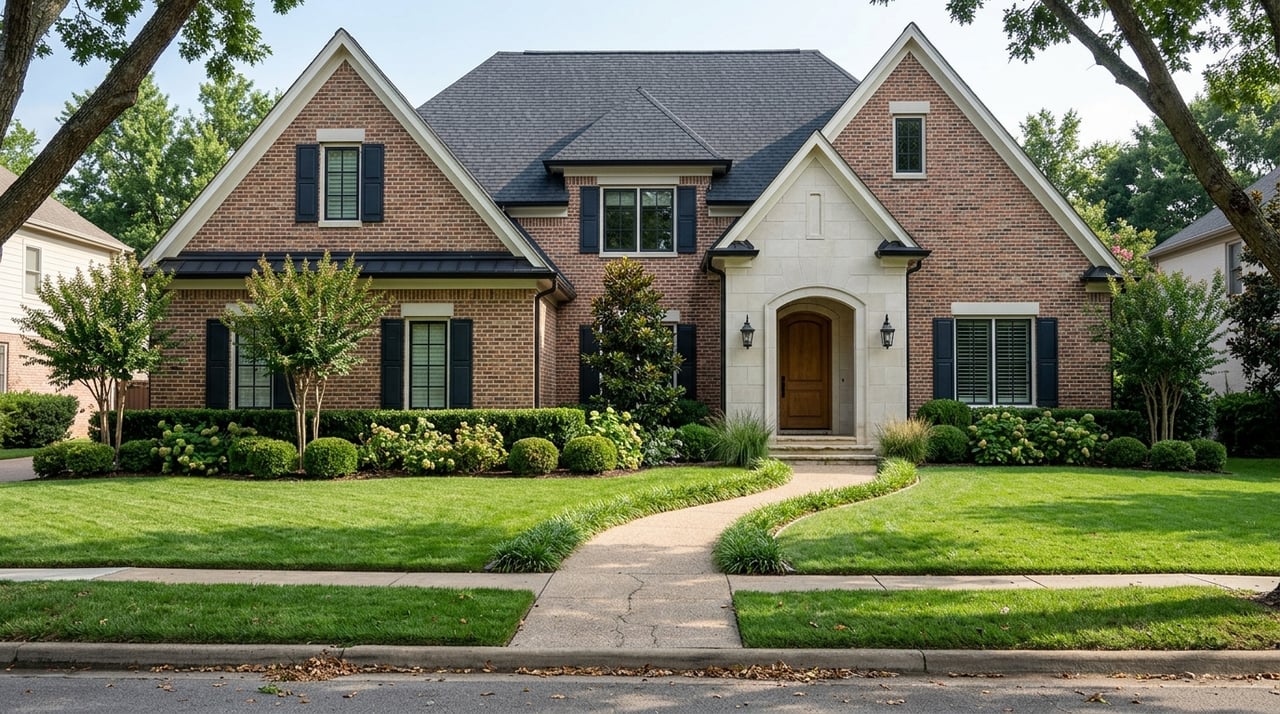
Thinking about moving to Nashville? You are not alone, and you are probably asking the same big questions most relocation buyers ask right away: Where should I look, how much home can I afford, and what will daily life actually feel like? Nashville can be a great fit, but it is not a market you want to approach with broad assumptions. If you start with the right local questions, you can narrow your search faster and make a more confident move. Let’s dive in.
Nashville Is Bigger Than It Sounds
One of the first things to understand is that Nashville often refers to a much larger countywide market. Nashville and Davidson County operate under a consolidated metropolitan government, so when people say “Nashville,” they may be talking about a wide range of areas with very different housing options, commute patterns, and neighborhood identities.
Davidson County had an estimated population of 745,904 in July 2025 and includes more than 503 square miles of land area. That scale matters when you are relocating, because two homes with a Nashville address can offer very different day-to-day experiences.
Metro Planning is also clear that there is no single definitive map of neighborhood boundaries. Neighborhood labels are advisory and based in part on resident and neighborhood-association input. In practical terms, that means local shorthand does not always line up perfectly with what you may see on a listing site.
Focus on Submarkets, Not Just ZIP Codes
If you are moving from out of town, it helps to think of Nashville as a collection of overlapping submarkets. Areas like Germantown, Belmont-Hillsboro, Hillsboro-West End, Richland-West End, Vanderbilt/University, and Wedgewood-Houston feel different from outer-Davidson areas such as Bellevue, Donelson, Hermitage, Antioch, Joelton, and Whites Creek.
That does not mean one area is “better” than another. It means your search will usually go better when you start with your lifestyle needs, then match those needs to the right part of the county.
A home that works well for you may depend on things like:
- Your work location and commute corridor
- Whether you want a condo, townhome, or detached home
- Your interest in transit access or airport access
- The school assignment or school choice options tied to an address
- Whether greenway access, parks, or certain daily conveniences matter most
What Nashville Housing Costs Look Like
Before you tour homes, it helps to get grounded in the numbers. Davidson County’s 2020 through 2024 ACS snapshot shows a median owner-occupied home value of $417,400, a median gross rent of $1,582, and an owner-occupied housing rate of 52.8%.
That mix points to a market with both a solid ownership base and a large renter population. For many buyers, that means Nashville can offer different entry points depending on property type and location.
In the first quarter of 2026, Davidson County recorded 2,060 home closings, with a median residential price of $499,990 and a median condo price of $361,000. That gap is important if you are deciding whether to begin with a condo or stretch toward a single-family home.
Condos vs. Single-Family Homes
For many relocation buyers, this is one of the first big tradeoffs. A condo may offer a lower price point compared with a detached home, while a single-family home may offer different space, layout, or lot considerations.
Here is a simple way to think about it:
| Property Type | Q1 2026 Median Price in Davidson County | Why Buyers Consider It |
|---|---|---|
| Condo | $361,000 | Lower entry price, often appealing for first-time or lifestyle buyers |
| Residential Overall | $499,990 | Broader view of the market, including detached homes and other residential options |
This does not mean every condo is a bargain or every house is out of reach. It simply shows why property type matters so much when you first build your Nashville search.
Expect a Market With Range
Nashville is not a one-price, one-speed market. Across the broader nine-county Nashville region, April 2026 data showed 9,819 total homes in inventory and 57 average days on market for single-family homes.
For you, the takeaway is simple: some homes and submarkets move differently than others. Price point, neighborhood, property type, and condition can all shape how quickly a home sells and how competitive your search may feel.
Commutes Can Shape Your Search
A home can look perfect online and still be the wrong fit if the commute does not work. Davidson County’s mean travel time to work was 24.7 minutes in the 2020 through 2024 ACS, but that figure is only an average.
Your actual commute may vary a lot depending on where you live, where you work, and whether your route stays within one corridor or crosses town. That is why commute planning should happen early, not after you fall in love with a house.
When you are narrowing areas, ask:
- Which commute corridor would this address support?
- Would you likely drive, ride the bus, use the train, or mix options?
- How often would you need airport access?
- Would your schedule make traffic timing a bigger factor?
Nashville Transit Is Improving
If transit matters to you, Nashville has more options than some buyers expect. WeGo Public Transit operates 27 local bus routes and nine regional routes, with frequent service every 15 minutes or less on corridors including West End, Hillsboro, Bordeaux, Dickerson Pike, Charlotte Pike, Nolensville Pike, Murfreesboro Pike, and Gallatin Pike.
WeGo also offers connector routes that bypass downtown and train shuttles that connect rail riders to downtown destinations. For some households, that can open up search areas that may not have been obvious at first glance.
The WeGo Star serves the East Corridor to downtown on weekday mornings and afternoons. There is also direct airport-related service through Route 18 between Nashville International Airport and WeGo Central for $2 each way, with airport express trips taking about 20 minutes and local trips taking about 35 to 45 minutes depending on traffic.
Nashville’s mobility picture is also changing. The voter-approved Choose How You Move program is funding sidewalks, signals, transit, and safety upgrades, with the goal of making it safer and more reliable to get around whether you walk, roll, ride transit, bike, or drive.
Daily Life Matters as Much as the House
A smart relocation search looks beyond square footage. Your quality of life often comes down to what your normal Tuesday feels like, not just what the kitchen looks like.
Nashville offers a mix of city access, neighborhood identity, and outdoor amenities that many buyers find appealing. Metro Parks says the city’s greenways connect neighborhoods to schools, parks, transportation, shopping, and work, and downtown greenways are part of a planned 23-mile urban loop.
Shelby Bottoms is one standout example in East Nashville. It includes 960 acres of greenway and natural area, about three miles of Cumberland River frontage, and more than five miles of paved trails.
Know the Climate Before You Buy
Nashville’s climate can influence both lifestyle and property decisions. NOAA climate normals for Nashville International Airport show an annual mean temperature of 60.8°F, with a July mean of 80.7°F and a January mean of 39.6°F.
The area receives about 50.51 inches of precipitation annually and about 4.7 inches of snowfall. In plain terms, that means warm summers, fairly mild winters, and enough rain that drainage and site conditions deserve attention during your home search.
Check Floodplain and Drainage Early
This is one of the most important local due-diligence steps. Metro Water Services recommends checking floodplain status before buying, and the city notes that FEMA Flood Insurance Rate Maps are the official maps for Special Flood Hazard Areas.
Metro also points out that properties outside a Special Flood Hazard Area are not guaranteed to be safe from flooding. That is why it is smart to ask about floodplain status and also pay attention to lot grading, drainage patterns, and site conditions as you evaluate homes.
Understand School Options by Address
If school planning is part of your move, it is worth checking options early in the process. Metro Nashville Public Schools is a large district with more than 150 schools, 81,000 students, and 11,000 employees.
MNPS also offers themed magnet schools with pathways that include career and college readiness, creative and performing arts, environment, International Baccalaureate, dual language, STEM and innovation, and leadership and communications. The district also operates MNPS Virtual School, an optional public online school serving all of Nashville and Davidson County.
Because school assignment and school choice options can vary by address and program, it is important to verify what applies to any home you are considering.
A Smart Way to Start Your Search
If you are relocating, it helps to make your first Nashville search more practical than emotional. You do not need to know every neighborhood right away. You just need a process that helps you rule in the right areas and rule out the wrong ones.
A strong starting plan usually looks like this:
- Define your budget and preferred property type.
- Identify the commute corridors that support your routine.
- Narrow your search to a few submarkets, not the whole city.
- Check school options if they matter for your household.
- Review floodplain and drainage considerations before getting too far.
- Compare lifestyle factors like transit access, airport access, greenways, and daily convenience.
Why Local Guidance Helps in Nashville
Nashville can be a strong fit if you want a growing metro with distinct neighborhood identities, a broad range of housing types, and transportation options that are improving over time. It can feel less intuitive if you try to make decisions without checking neighborhood boundaries, commute patterns, school options, and flood information early.
That is where local guidance can save you time and stress. When your search is built around how you actually live, not just a city name on a listing, you are much more likely to find the right fit.
If you are planning a move to Nashville and want thoughtful, hands-on guidance from a native Nashvillian, Jackie Roth Karr can help you build a smart search around your budget, lifestyle, and next step.
FAQs
What does “Nashville” mean in a home search?
- In relocation terms, “Nashville” often refers to the larger Davidson County market, not just one central area, so neighborhood identity and location matter a lot.
What is the median home price in Davidson County?
- In Q1 2026, the median residential price in Davidson County was $499,990, while the median condo price was $361,000.
How long is the average commute in Davidson County?
- The 2020 through 2024 ACS reported a mean travel time to work of 24.7 minutes, though actual commute time can vary widely by corridor and destination.
What public transit options are available in Nashville?
- WeGo operates 27 local bus routes, nine regional routes, frequent service on several major corridors, the WeGo Star on the East Corridor, and airport service through Route 18.
What should buyers check about flood risk in Nashville?
- Buyers should check floodplain status, review official FEMA flood maps used by Metro, and pay attention to drainage and site conditions even if a property is outside a Special Flood Hazard Area.
What school options should buyers review in Nashville?
- Buyers should verify school assignment and any applicable school choice options for a specific address, including magnet programs and MNPS Virtual School if those are relevant to their household.